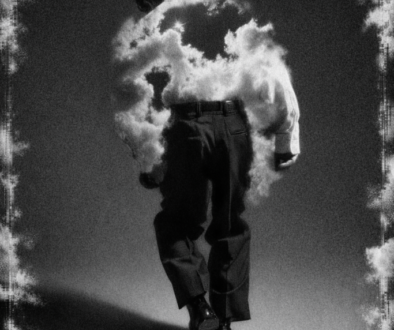




In Sentimental Value, identity is shaped through grief, family structure, and emotional repetition. The film follows two sisters after the death of their mother, as the return of their estranged father pulls old tensions back to the surface. From that starting point, the story looks at how a sense of self is formed inside a family long before a person has the distance or language to understand it. The characters are not simply dealing with present conflict. They are dealing with patterns that have been in place for years, patterns built out of silence, disappointment, affection, authority, and absence. The film approaches identity not as something purely chosen or discovered from within, but as something shaped by the emotional climate a person grows up inside. Grief makes that structure visible again. Once the family is brought back into close relation, the roles they have carried for years begin to reappear with almost no effort. Old wounds regain their force. Familiar ways of speaking and withdrawing return. The past stops feeling like background and starts feeling like an active pressure inside every conversation. What the film reveals is that people often experience themselves as individuals while still living through emotional patterns they inherited without consent. The self is presented as something partly built by memory, partly built by family, and only slowly reclaimed through struggle.
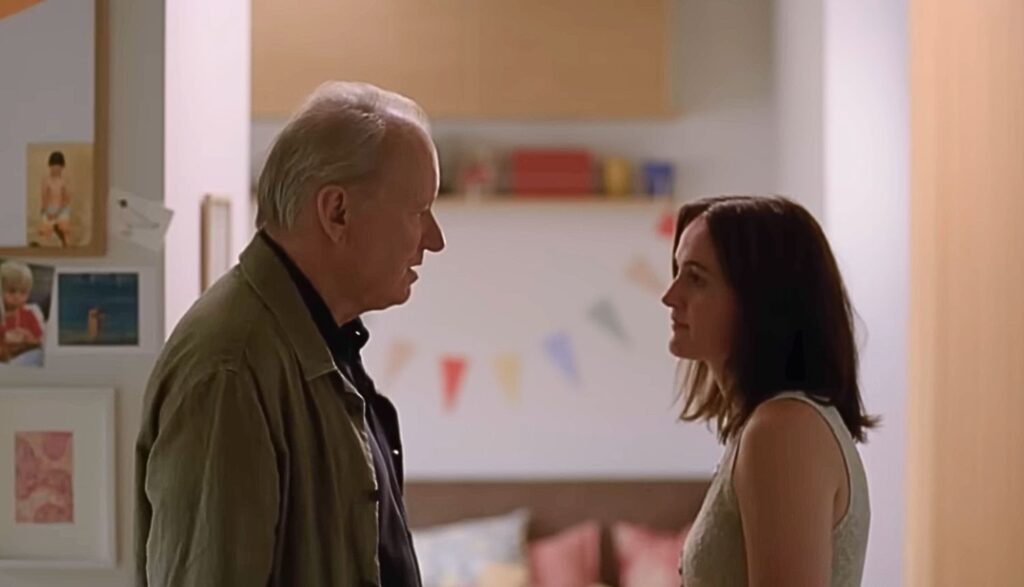
The family home gives that idea a clear physical form. It is not just the place where the story happens. It is the place where the characters were shaped. Every room seems to carry a residue of what has been said there, what has been avoided there, and what has been lost there. The house keeps the family’s emotional history alive without needing to explain it in a heavy way. That allows the film to show how identity can be tied to environment as much as psychology. A person is formed not only by inner feelings, but by repeated experiences in particular spaces, by tones of voice that become normal, by routines that teach them how to react, by patterns of affection and neglect that become part of their emotional structure. Returning to the house means returning to those conditions. Even as adults, the sisters are not fully outside the atmosphere that helped make them. The film captures the strange force of going back to a place that still seems to know who you were before you had any power over your own life. In that sense, the house is not a symbol placed on top of the drama. It is one of the main ways the film explains how identity works. The self carries rooms inside it. It carries habits learned in domestic spaces. It carries old emotional maps that continue shaping behavior long after a person appears to have moved on.
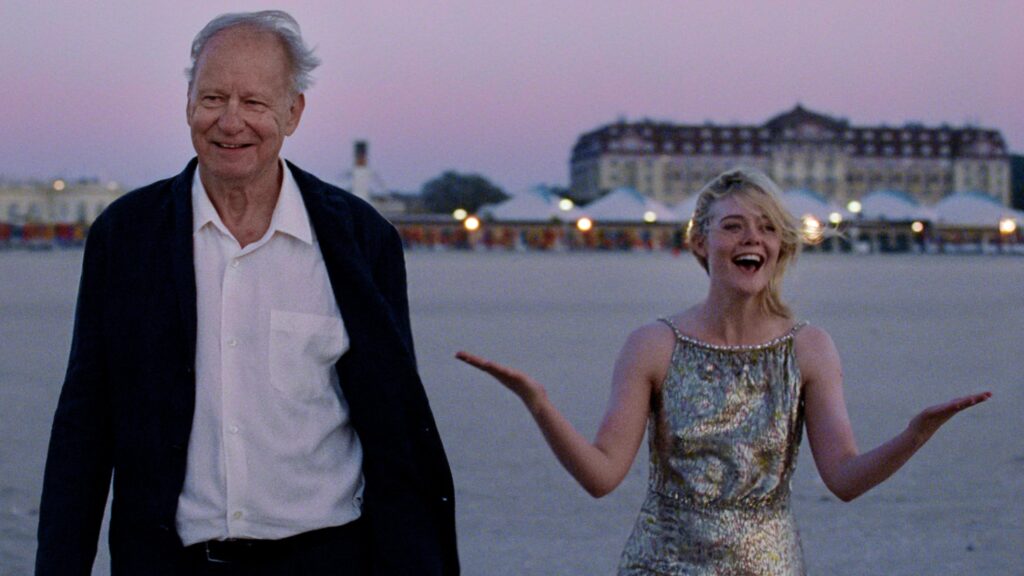
The father complicates that structure even further because he comes back not only as a parent, but as an artist. His return is tied to a new film project that draws from personal material, and this creates one of the central tensions in the story. Family history is no longer just being remembered. It is being turned into narrative. That changes the question of identity from who a person is to who gets to define them. The self becomes something that can be interpreted, framed, and used by somebody else, especially by someone with authority. The father wants his daughter Nora, who is an actress, to take part in his project. When she refuses and he offers the role to another actress, the emotional stakes become even sharper. A private history can now be detached from the people who lived it and handed to someone else to perform. The film uses that situation to ask how much of a person belongs to them and how much can be claimed by another person’s version of events. This turns identity into a struggle over narrative control. A self is not only built from memory and feeling. It is also shaped by the stories other people tell about us, the roles they assign us, and the forms they impose on our lives. The father’s artistic ambition brings all of that into the open. He is not just trying to make a film. He is trying to shape meaning out of material that is still emotionally alive for the people around him.

Because Nora is an actress, the film can connect family life to performance in a very sharp way. It suggests that performance is not limited to the stage or the screen. People also perform inside families. They learn early which version of themselves keeps the peace, which version receives approval, which version is too difficult, too emotional, too distant, or too demanding. Over time those repeated roles can start to feel natural, even when they began as forms of survival. The film understands identity as something built through those repeated acts. That gives Nora’s position extra force. Her struggle is not only with her father’s project, but with the long history of being seen through somebody else’s framing. She is caught between her own sense of self and the parts that have been written for her by family habit, by grief, and by the father’s need to turn life into art. The result is a story in which the self feels both intimate and contested. It belongs to a person, but it has also been shaped by other people for years. That is why the film treats identity as something unstable without making it vague. The instability comes from pressure. It comes from the collision between private experience and inherited roles, between inner life and outside interpretation, between what a person feels and what others insist on seeing.
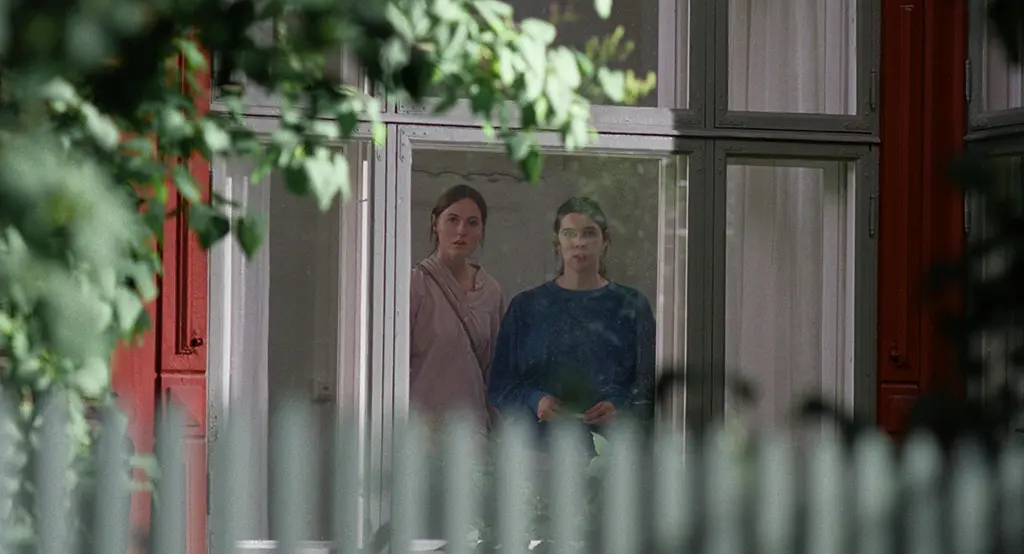
By the end, Sentimental Value presents identity as something formed through inheritance, but not fixed by it. The film does not reduce the characters to victims of family history, and it does not pretend that personal freedom arrives easily once old patterns are recognized. Instead, it stays close to the tension between what has been handed down and what can still be changed. Grief, memory, and old emotional structures continue to shape the family, but the story also leaves room for refusal, distance, and the slow work of revision. A person may never fully step outside the forces that formed them, yet they can begin to see those forces more clearly and push back against them. That gives the film its emotional depth. It is not interested in a clean transformation or a simple lesson. It is interested in the way the self is made over time through love, damage, repetition, and the struggle to separate one’s own voice from voices that have always been nearby. What emerges is a family drama where identity feels less like a stable core waiting to be uncovered and more like an ongoing negotiation with memory, with inheritance, and with the stories that continue to shape a life long after their origin.