






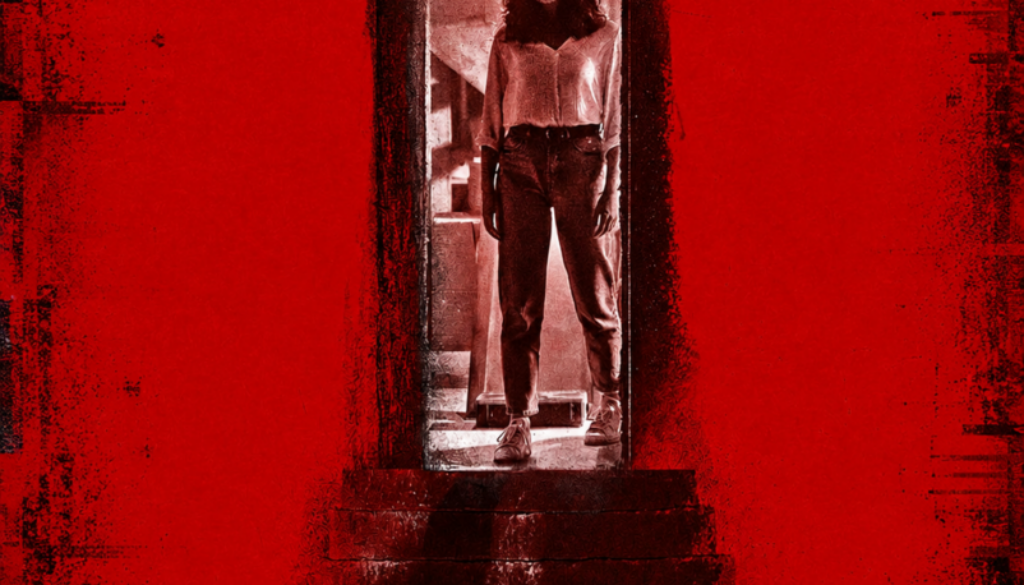
Zach Cregger’s film begins with a familiar modern anxiety: a woman arrives at a rental property late at night and discovers that a stranger is already inside. The setup feels ordinary enough to be believable, built from the discomfort of apps, remote transactions, poor communication, and the strange intimacy of temporary lodging. Yet the film quickly turns that inconvenience into a wider nightmare about social failure. The house is not only a place where danger waits. It is a record of everything that has been ignored, excused, or pushed out of sight. Its horror comes from the idea that violence does not disappear when people stop looking at it. It waits, adapts, and keeps claiming space.
The first stretch of the film understands how fear is often shaped by social training. Tess does not walk into danger blindly. She measures it, studies it, and tries to survive it through politeness, suspicion, and caution. Every interaction with Keith is filtered through the reality that women are often expected to protect themselves without appearing rude, paranoid, or unreasonable. The film turns that pressure into suspense. A glass of wine, a closed door, a shared roof, and a moment of hesitation become charged because Tess has to judge the room before anyone else even recognizes that there is a room to judge. The terror begins before the basement appears, because the world above ground has already taught her that danger can be dismissed until it becomes undeniable.

That early tension also shows how easily ordinary systems abandon people. The rental platform is faceless, the neighborhood is nearly empty, and help feels distant even before the story reveals what is underneath the house. The setting is not treated as a neutral backdrop. Its abandoned streets, damaged properties, and visible neglect create a social landscape where harm can hide for years because nobody expects care to arrive. The film does not reduce the neighborhood to a simple symbol of decay, but it does use the environment to expose a brutal truth about selective attention. Some places are watched constantly, while others are allowed to disappear. When a place is treated as already lost, the people inside it become easier to ignore.
The basement works because it makes hidden violence literal without flattening it into a single metaphor. It is a physical space built beneath a normal house, concealed under ordinary rooms, real estate value, and everyday life. The further Tess descends, the more the film suggests that horror has layers, and each layer was made possible by someone not asking enough questions. The secret passage, the locked rooms, and the evidence of abuse all point toward a long history that could only continue through silence. The basement is not just a surprise. It is the architecture of denial. It shows how private violence survives when it is protected by distance, shame, disbelief, and the convenience of not knowing.

AJ’s arrival sharpens the social commentary by changing the film’s rhythm and moral focus. He enters the story from a world of money, career panic, legal defense, and self-pity, bringing a different kind of danger with him. His first response to the house is not fear for the people trapped inside, but interest in square footage. That detail is darkly funny, yet it also reveals how entitlement can turn any space into an asset and any crisis into a personal inconvenience. He sees the basement and thinks about property value. He hears accusations against himself and thinks about damage control. Through him, the film connects intimate violence to the wider culture that excuses powerful men when they are useful, charming, famous, or profitable.
The film’s treatment of gendered fear becomes more pointed through the contrast between Tess and AJ. Tess notices danger because she has been trained by experience to notice it. AJ misses danger because he has been trained by privilege to assume he can talk, buy, joke, or force his way through it. His confidence is not courage. It is a lack of imagination. He cannot truly understand the fear around him because he sees himself as the central victim of every situation. That selfishness makes him both comic and horrifying. The film lets the audience laugh at his cowardice, but the joke has a hard edge. His behavior is absurd only because it is so recognizable.

The creature in the basement complicates the film’s horror by refusing to function as a simple monster. She is terrifying, but she is also the result of monstrous acts committed before the film’s present begins. Her body carries the history of abuse, isolation, and generational damage. The film does not ask the viewer to ignore the danger she poses, but it also does not let the viewer forget that she was made by someone else’s violence. That tension gives the story its social weight. The visible monster is not the origin of the horror. The origin is the man who built the conditions that created her, and the world that allowed those conditions to remain hidden.
Frank’s presence makes that point even colder. He is not supernatural, not misunderstood, and not symbolic in a distant way. He is ordinary evil with a house, a routine, and enough social cover to keep harming people. The flashback to his earlier life is frightening because it is so plain. He moves through public space without appearing monstrous. He buys supplies. He speaks to neighbors. He returns home. The film shows how predators often depend less on genius than on normalcy. Their protection comes from the fact that people expect evil to announce itself clearly. When it does not, society often chooses comfort over attention, and that comfort becomes part of the crime.

The film’s social commentary is also tied to property itself. The house keeps changing meaning depending on who enters it. For Tess, it is a temporary shelter that becomes a threat. For AJ, it is an investment problem. For Frank, it is a private kingdom where he can control every hidden room. For the neighborhood, it is one more structure left behind in a landscape marked by abandonment. Through that shifting meaning, the story shows how buildings can hold more than memories. They can preserve power. They can hide evidence. They can protect the person who owns the lock and trap the person who has nowhere else to go. The horror comes from seeing how much violence can fit inside something listed as rentable.
By the final act, the film has moved far beyond the fear of a stranger in the house. It becomes a story about what happens when people, institutions, and communities refuse to see damage until it breaks through the floor. Tess survives not because the world protects her, but because she keeps paying attention after others fail to. That attention becomes a kind of moral force, even when it cannot repair what has already happened. The ending does not offer clean justice or easy relief. It leaves behind the image of a woman forced to carry the cost of truths everyone else avoided. The most disturbing part is not that something terrible was underground. It is that so much had to happen before anyone looked closely enough.