





Intake
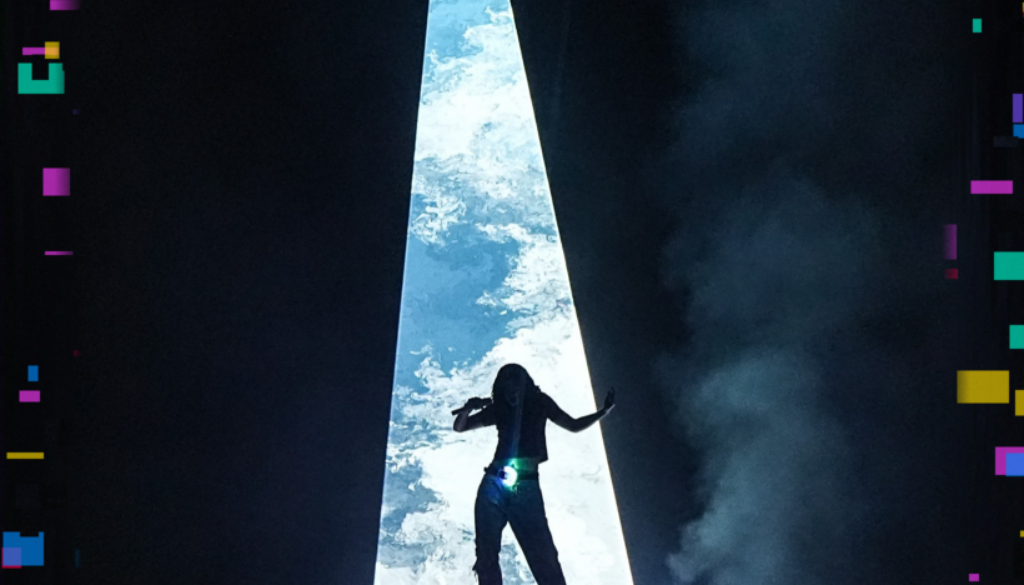
The room goes dark and the show starts by refusing scale. One narrow beam lands on the center like a targeting line, a single point of brightness that reads as clinical rather than dramatic. “Hammer” enters inside that beam, not as an opener meant to hype, but as the first step in a process, the moment the machine finds its subject.
Then the white arrives. Bright cold lights snap on with a bluntness that feels like an exam lamp, flattening shadow and stripping away atmosphere. The arena becomes a bright room on purpose, and the audience’s usual anonymity starts to feel temporary.
Prep
Virgin’s logic is simple and ruthless. Keep the seams. Let the grit stay audible. Let the electronic textures rub instead of glide. The record is not interested in smoothing the surface if smoothing would soften the feeling. It treats glitch like a truth-telling device, a way to keep the voice and the production in the same tense space.
Ultrasound translates that approach into staging. The setup is spare enough that everything reads as intentional. No visual clutter to hide behind. The big screen is the main tool, and the show is built to make the screen feel necessary rather than optional. The concert does not wrap the songs in scenery. It puts them under light.
Scan
The scan is the camera system. Close-ups arrive like evidence. The edits hit fast enough to feel like live post-production, with angles switching before your brain can settle. A face becomes a landscape. A mouth becomes percussion. Feet become a metronome. In a normal arena show, the screen helps you see. Here, the screen decides what seeing means.
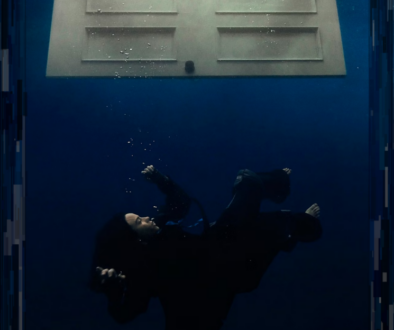
The lighting behaves like changing settings on a monitor. After the opening whites, the palette cools into blue, and the entire room feels submerged, internal, private. “Oceanic Feeling” in blue reads like a body floating under glass. Then the colors fracture, red and blue together like a warning light and a bruise in the same frame. Later, green arrives as a jolt, a sudden clinical brightness that feels both energizing and slightly toxic, like the air has been sterilized.
The key is that the color does not soften the show. It sharpens it. Each shift feels like a new mode of looking.
Incision
If the scan is the screen, the incision is the cut.
Ultrasound’s most powerful move is its refusal to blend. The show changes states quickly, light snapping, image switching, the pace driven by edits rather than spectacle. It feels like the performance is being sliced into readable sections in real time, as if the show is charting its own vitals.
Objects appear like instruments.
“Buzzcut Season” turns the air into a visible force. A huge industrial fan makes fabric and hair behave like data, and the camera catches that movement as proof that the body is fighting the environment, not floating above it. The moment looks both intimate and engineered, like a lab test that happens to be beautiful.
“Supercut” becomes a cardio test. Lorde steps onto a treadmill barefoot, starting steady, then pushing faster as the song rises until the run becomes part of the climax. The screen stays tight, so you read breath, feet, and strain the way you would read a pulse. The track’s emotional acceleration stops being metaphor and becomes measurement.
“Shapeshifter” feels like calibration. A ring of lights lowers overhead, not like romance, more like equipment. The stage turns into a controlled chamber where the body is framed and re-framed, as if identity is being scanned from different angles until it flickers into a new shape.
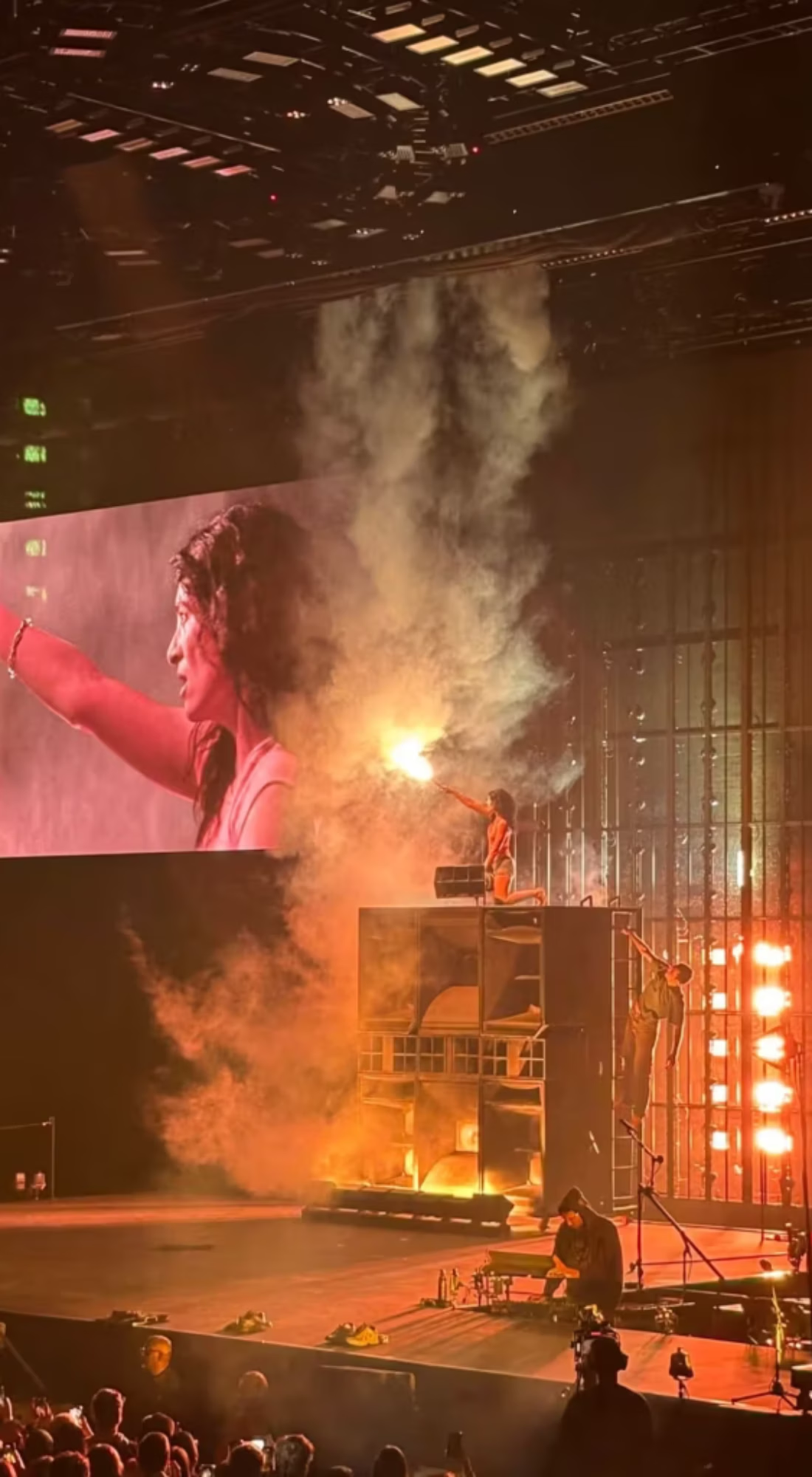
“The Louvre” breaks the sterility with heat. A flare in the dark reads like a deliberate wound of light, a reminder that the body is not a concept, it is a thing that can burn.
Sutures
The show holds together through a single continuous idea. Technology is used to make the body more visible, not less.
The close-ups do not chase perfection. They chase proof of life, sweat, breath, micro-expressions, hands flexing, shoulders rising, the small human information that arena scale usually erases. The lighting does the same work, returning again and again to bright cold exposure, then switching colors like diagnostic filters, then stacking everything at once until the room becomes prismatic, all hues overlapping in a kind of sensory overload.
That full-spectrum moment matters because it feels like the end of a process, the machine running every mode at once, refusing to choose one clean interpretation. “Team” can take on the feel of coded color, almost like the room is being labeled. “Green Light” in green feels less like mood lighting and more like a physical substance, a beam you could swallow, a signal you could weaponize. The show keeps turning pop into something procedural, a sequence of settings used to make emotion legible.

Discharge
Release arrives by changing the distance.
After the tight framing and bright exposure, the show steps off the platform and into the crowd. “David” becomes a corridor moment, the performer traveling through people as if exiting the exam room and moving into the hallway where everything feels real again. The light is no longer only overhead. It is worn. A light-up outfit turns her into moving signal, a bright shape threading through the dark like a monitor that escaped the lab.
The final image lands like a closing note on the chart. She returns to the center and holds still between a beam of light and her own projection on the screen, body and data occupying the same space. “Ribs” in that frame feels less like a throwback and more like a final sensation, the kind that lingers after the lights stop changing.
Report
The result is a concert that chooses accuracy over comfort.
Virgin’s glitched, under-sanded electronics become stage logic. Ultrasound turns rawness into fast cuts, hard transitions, and bright cold light that refuses to flatter. It starts with a single beam and stark white exposure. It drifts into blue, fractures into red-blue, snaps to green, then floods the room with everything at once. It ends by placing the performer inside the room and inside the image simultaneously.
The sterility does not numb the emotion. It amplifies it. When the stage is stripped and the camera is close, feeling has nowhere else to go.
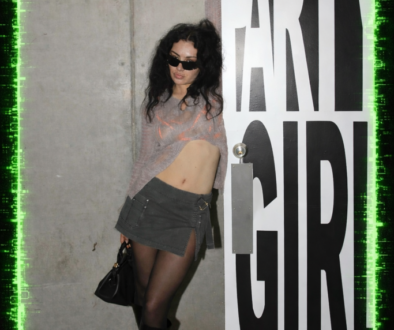
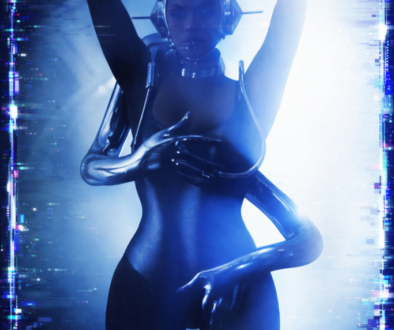
The album Virgin by singer-songwriter Lorde feels like pop recorded with the door left open, glitches intact and edges unpolished. Onstage, the Ultrasound Tour translates that rawness into a medical sequence, intake, scan, incision, release, propelled by fast cuts, bright cold lights, and big-screen close-ups that manufacture intimacy through magnification.
Fast Cuts Under Bright Cold Lights
Intake
The room goes dark and the show starts by refusing scale. One narrow beam lands on the center like a targeting line, a single point of brightness that reads as clinical rather than dramatic. “Hammer” enters inside that beam, not as an opener meant to hype, but as the first step in a process, the moment the machine finds its subject.
Then the white arrives. Bright cold lights snap on with a bluntness that feels like an exam lamp, flattening shadow and stripping away atmosphere. The arena becomes a bright room on purpose, and the audience’s usual anonymity starts to feel temporary.
Prep
Virgin’s logic is simple and ruthless. Keep the seams. Let the grit stay audible. Let the electronic textures rub instead of glide. The record is not interested in smoothing the surface if smoothing would soften the feeling. It treats glitch like a truth-telling device, a way to keep the voice and the production in the same tense space.
Ultrasound translates that approach into staging. The setup is spare enough that everything reads as intentional. No visual clutter to hide behind. The big screen is the main tool, and the show is built to make the screen feel necessary rather than optional. The concert does not wrap the songs in scenery. It puts them under light.
Scan
The scan is the camera system. Close-ups arrive like evidence. The edits hit fast enough to feel like live post-production, with angles switching before your brain can settle. A face becomes a landscape. A mouth becomes percussion. Feet become a metronome. In a normal arena show, the screen helps you see. Here, the screen decides what seeing means.
The lighting behaves like changing settings on a monitor. After the opening whites, the palette cools into blue, and the entire room feels submerged, internal, private. “Oceanic Feeling” in blue reads like a body floating under glass. Then the colors fracture, red and blue together like a warning light and a bruise in the same frame. Later, green arrives as a jolt, a sudden clinical brightness that feels both energizing and slightly toxic, like the air has been sterilized.
The key is that the color does not soften the show. It sharpens it. Each shift feels like a new mode of looking.
Incision
If the scan is the screen, the incision is the cut.
Ultrasound’s most powerful move is its refusal to blend. The show changes states quickly, light snapping, image switching, the pace driven by edits rather than spectacle. It feels like the performance is being sliced into readable sections in real time, as if the show is charting its own vitals.
Objects appear like instruments.
“Buzzcut Season” turns the air into a visible force. A huge industrial fan makes fabric and hair behave like data, and the camera catches that movement as proof that the body is fighting the environment, not floating above it. The moment looks both intimate and engineered, like a lab test that happens to be beautiful.
“Supercut” becomes a cardio test. Lorde steps onto a treadmill barefoot, starting steady, then pushing faster as the song rises until the run becomes part of the climax. The screen stays tight, so you read breath, feet, and strain the way you would read a pulse. The track’s emotional acceleration stops being metaphor and becomes measurement.
“Shapeshifter” feels like calibration. A ring of lights lowers overhead, not like romance, more like equipment. The stage turns into a controlled chamber where the body is framed and re-framed, as if identity is being scanned from different angles until it flickers into a new shape.
“The Louvre” breaks the sterility with heat. A flare in the dark reads like a deliberate wound of light, a reminder that the body is not a concept, it is a thing that can burn.
Sutures
The show holds together through a single continuous idea. Technology is used to make the body more visible, not less.
The close-ups do not chase perfection. They chase proof of life, sweat, breath, micro-expressions, hands flexing, shoulders rising, the small human information that arena scale usually erases. The lighting does the same work, returning again and again to bright cold exposure, then switching colors like diagnostic filters, then stacking everything at once until the room becomes prismatic, all hues overlapping in a kind of sensory overload.
That full-spectrum moment matters because it feels like the end of a process, the machine running every mode at once, refusing to choose one clean interpretation. “Team” can take on the feel of coded color, almost like the room is being labeled. “Green Light” in green feels less like mood lighting and more like a physical substance, a beam you could swallow, a signal you could weaponize. The show keeps turning pop into something procedural, a sequence of settings used to make emotion legible.
Discharge
Release arrives by changing the distance.
After the tight framing and bright exposure, the show steps off the platform and into the crowd. “David” becomes a corridor moment, the performer traveling through people as if exiting the exam room and moving into the hallway where everything feels real again. The light is no longer only overhead. It is worn. A light-up outfit turns her into moving signal, a bright shape threading through the dark like a monitor that escaped the lab.
The final image lands like a closing note on the chart. She returns to the center and holds still between a beam of light and her own projection on the screen, body and data occupying the same space. “Ribs” in that frame feels less like a throwback and more like a final sensation, the kind that lingers after the lights stop changing.
Report
The result is a concert that chooses accuracy over comfort.
Virgin’s glitched, under-sanded electronics become stage logic. Ultrasound turns rawness into fast cuts, hard transitions, and bright cold light that refuses to flatter. It starts with a single beam and stark white exposure. It drifts into blue, fractures into red-blue, snaps to green, then floods the room with everything at once. It ends by placing the performer inside the room and inside the image simultaneously.
The sterility does not numb the emotion. It amplifies it. When the stage is stripped and the camera is close, feeling has nowhere else to go.