




Hit Me Hard and Soft is built to feel close on purpose, like Billie Eilish is singing right next to your face, but the music keeps shifting so that closeness can turn from comfort into pressure in a second. Finneas has talked about teaching her how to record and comp her own vocals so she could work alone when the songs felt too personal, and that choice lines up with what you hear: the vocals are controlled, detailed, and right up front, like privacy turned into a sound. The album credits also show how much care went into getting both softness and impact to sit in the same mix, with Attacca Quartet on strings, David Campbell on string orchestration, and Jon Castelli and Aron Forbes credited for mixing, plus Dale Becker mastering. That matters because this record is not trying to be “quiet then loud.” It is trying to make gentle delivery feel sharp, and make big moments still feel personal, so the emotional switches feel real instead of staged.
“SKINNY” starts that idea with a song about being looked at and read wrong, where the space around her voice feels like a spotlight that does not turn off. Reviews have pointed out how the track’s emotional hit comes with the orchestral strings, and that string swell makes the softness feel even more exposed, like the song is admitting something while still trying to stay composed. “LUNCH” flips into desire and confidence, but it keeps the same close vocal feeling, so it still sounds like a private thought, even when the groove is bold. The heavy bassline is a big part of why it lands so physical, and coverage of the single notes the song’s focus on same-sex desire and how the bass drives it. The music video matches that directness by keeping it simple and face-to-face, Billie dancing and lip-syncing straight to camera in a 90s-inspired setup she described as a tribute to the kind of videos she grew up loving. Right away you get the album’s main trick: the voice stays gentle and near, while the production makes the feeling hit hard.
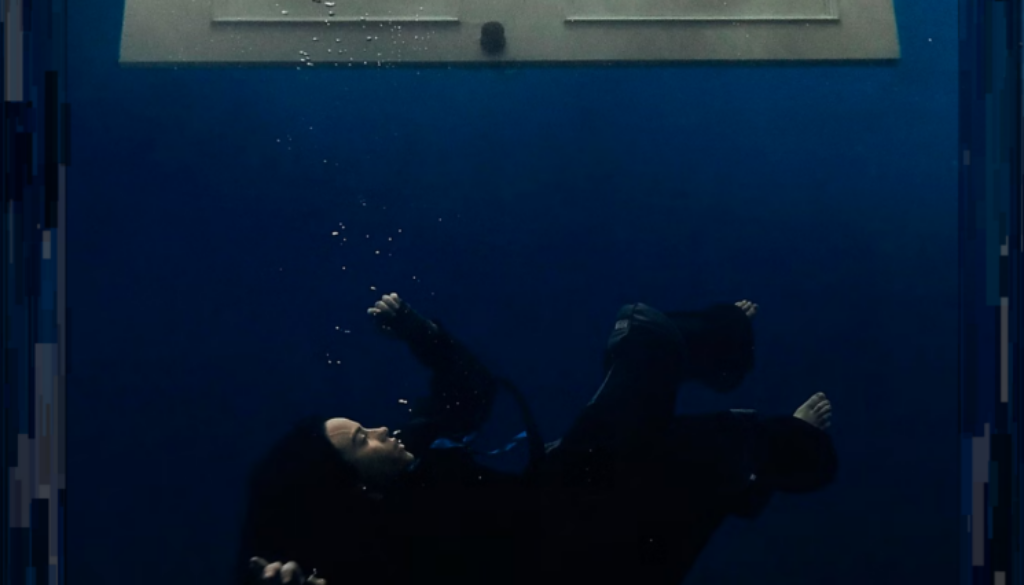
“CHIHIRO” is where the album starts moving like a chase. It is named after the Spirited Away character, and Billie previewed it before the album came out, which helped frame it as one of the big set pieces. The song’s tension comes from how it keeps changing shape, so you never fully settle into one mood, and that makes the longing feel restless instead of romantic. The music video makes that push and pull visible with dark hallways and doors, plus a physical struggle with Nat Wolff that Billie described as an external version of an internal fight tied to fear, love, and desire. “BIRDS OF A FEATHER” feels brighter on the surface, but the devotion is intense, and the tight vocal placement keeps it from drifting into “safe” pop. There is also a lot of craft behind that smooth feeling. Jon Castelli and Aron Forbes have a full breakdown of how they mixed the track and how they work together to get the energy and glue right. The video pushes the theme in a blunt way: Billie is dragged through an empty office building by an invisible force, which turns love into something that literally moves your body without asking. Put next to “CHIHIRO,” it feels like the album showing two kinds of pull, the chase where you cannot reach the person, and the vow where you cannot stop reaching even when it costs you.
“WILDFLOWER” shifts into guilt and messy boundaries, and Billie has linked it to the emotional strain of breaking “girl code” in relationships, which helps ground the song as less fantasy and more consequence. The production stays restrained so the tension sits in the air, like she is thinking through every line while trying not to sound too raw. “THE GREATEST” then opens that restraint up into a slow build, where the feeling grows by stacking, not by exploding. Coverage of the album has pointed out how Billie pushes her vocal delivery further on this record, moving beyond her early whisper-only image, and “THE GREATEST” is one of the clearest places you hear that growth because it rises without losing closeness. “L’AMOUR DE MA VIE” changes posture again by splitting into two vibes, starting as a breakup song and then pivoting into the “Over Now” section that leans more club-ready and blunt. Billie has talked about the fact that parts were made at different times, and the track’s sharp switch becomes the point, like the moment you stop grieving and start getting your life back. Production-wise, that two-part structure is a big part of the storytelling, because it makes the emotional shift sound physical.
“THE DINER” is the album’s clearest horror moment, and reporting around the track ties it to Billie’s real stalking experiences, written from the stalker’s point of view, which makes the calm tone feel extra disturbing. It is a good example of how this album uses vocal intimacy as a weapon. The same close mic feeling that can sound sexy or tender elsewhere becomes trapping here, like the listener is stuck inside someone else’s head. “BITTERSUITE” works like a bridge that refuses to fully settle, and even smaller reviews note how it sets up a dark transition into the final track, which fits the album’s habit of making the switches part of the message. “BLUE” is the closer that makes the whole album feel like one system instead of ten separate stories. Billie explained that it is a mashup of two unreleased songs, “True Blue” and “Born Blue,” and that choice matters because it turns the ending into layered time, old feelings and new feelings sharing the same space. A lot of listeners and outlets have also pointed out how the lyrics link back to earlier parts of the album, almost like it is stitching loose threads into one final knot, which makes it feel less like a clean goodbye and more like an honest last look.
The album’s ending feeling is that nothing gets neatly solved, and that is the point. Hit Me Hard and Soft keeps proving that closeness is not automatically safe, it is just close, and once someone is that near, even a small sentence can hurt more than a shout. The production choices make that idea real in your body, vocals mixed like someone is speaking into your ear, quiet space that feels like tension, bass that shows up like consequence, and quick switches that feel like the mind snapping from want to fear in the same breath. The videos underline the same message in simple, memorable ways, a direct stare that turns flirting into a challenge, hallways and doors that make inner conflict look like a physical maze, and an invisible force that drags a body through an empty building like devotion gone past the point of choice. When the album closes, it leaves you with the sense that tenderness and threat are not opposites here, they are neighbors, and the scariest thing is how easily the music makes them sound like the same voice.