




Alan Wake II (2023) begins with a frightening idea: a story does not simply describe the world, it can take control of it. In Remedy Entertainment’s psychological horror game, fiction becomes a living force capable of altering places, memories, relationships, and even identity. The characters are not only trying to survive monsters or uncover a mystery. They are fighting against a narrative that keeps assigning them roles. Every clue, manuscript page, and staged scene suggests that reality has become unstable, shaped by whoever can write the most convincing version of events. The result is a world where creativity feels powerful but never safe. Writing can open a path forward, but it can also create a trap that becomes harder to escape with every revision.
Alan’s situation turns authorship into a form of imprisonment. He has the ability to shape events through fiction, but that power never gives him complete control. Each attempt to write an escape risks strengthening the nightmare around him. He must follow rules he only partly understands, creating stories that feel believable enough to change reality without allowing darkness to take over. The act of writing becomes a constant negotiation between intention and consequence. Alan may begin a scene with a clear purpose, yet the story can twist that purpose into something cruel. His talent becomes a source of fear because every creative decision might hurt someone else. The game presents the writer not as an all-powerful creator, but as someone trapped inside the machinery of his own imagination.

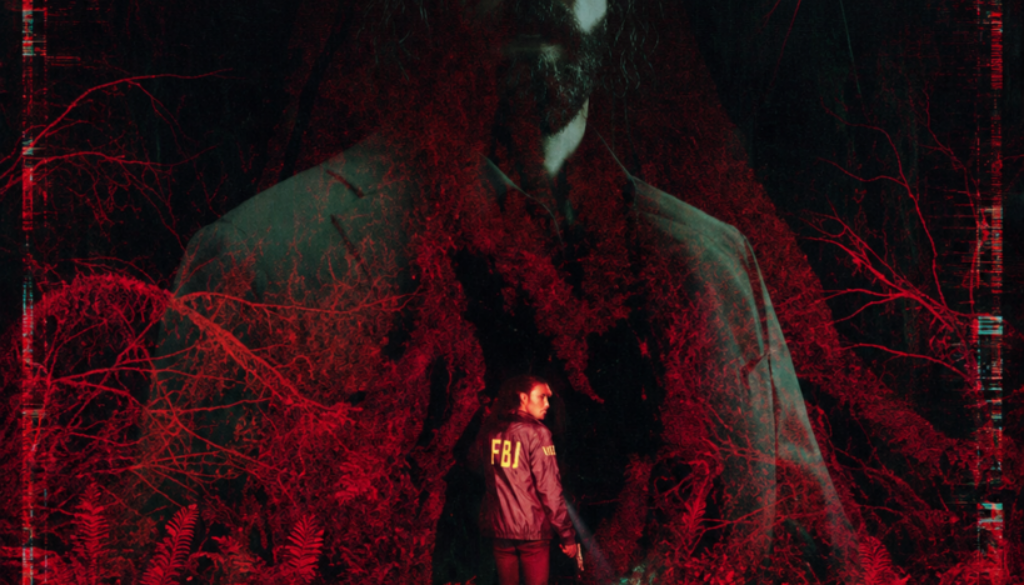
Saga Anderson approaches the mystery from a different direction. As an FBI agent, she tries to organize events through evidence, interviews, and careful observation. Her work depends on the belief that facts can be separated from fiction. That belief becomes increasingly difficult to maintain as the case begins changing around her. People remember events that never happened. Personal details appear in places where they should not exist. Her own life becomes connected to a story she did not choose. Saga’s investigation shows how narrative control can work from the outside. She is not writing the fiction, yet she is still being written into it. Her struggle is therefore not only about solving a case. It is about defending her identity from a story that wants to define who she is.
The game repeatedly asks whether a person can remain themselves once a narrative becomes powerful enough. Characters are given roles such as hero, victim, detective, murderer, or creator, and these labels begin to influence how they behave. The frightening part is not simply that fiction can change physical reality. It can also change how people understand themselves. A role can become a prison when everyone accepts it as truth. Alan fears becoming the destructive figure the story demands. Saga must resist a version of her life created by someone else. Their experiences show that identity is not fixed when memory and perception can be edited. The horror comes from recognizing that a convincing story can replace reality before anyone notices what has been lost.

The Dark Place turns creativity into a landscape. It does not behave like a normal location with stable streets, rooms, and boundaries. It rearranges itself according to symbols, emotions, and narrative logic. A subway tunnel can feel like a memory, a crime scene, and a stage at the same time. Buildings repeat, signs change, and familiar spaces become part of an unfinished draft. The environment responds to story structure more than geography. This makes exploration feel like moving through a writer’s mind while it is still creating connections. The player is not only searching for a physical exit. They are looking for the correct interpretation of what they see. The world becomes readable, but never fully reliable, as if every location were waiting to be revised.
Performance is another way fiction gains control. Television programs, live-action scenes, musical sequences, interviews, and theatrical moments interrupt the game’s reality without feeling separate from it. These performances are entertaining, strange, and often funny, but they also reveal how easily identity can become spectacle. Alan is repeatedly placed in front of cameras and audiences, forced to watch different versions of himself being presented as truth. Public images begin to compete with private memory. The boundary between the person and the character becomes difficult to recognize. By using performance as part of the horror, the game suggests that stories become more powerful when they are repeated, staged, and witnessed. A false version of events can gain authority simply by being presented with enough confidence.

Fiction also becomes dangerous through repetition. Events return in altered forms, scenes echo earlier scenes, and characters appear caught in patterns they cannot immediately recognize. Repetition creates the feeling that the story is revising itself rather than moving forward. Each cycle changes certain details while preserving the same basic danger. The characters often believe they are escaping, only to discover that they have entered another version of the same structure. This gives the narrative its dreamlike tension. Progress does not always mean reaching a new place. Sometimes it means understanding the pattern more clearly. The repeated scenes also show how trauma operates, returning through images, memories, and behaviors until someone finds a different way to confront it.
The game does not treat creativity as purely destructive. Storytelling can also create connection, resistance, and survival. Alan’s writing causes harm, but it also gives him a way to communicate across impossible distances. Saga’s ability to interpret people and events allows her to challenge the role imposed on her. Their separate journeys begin to support one another, suggesting that a story becomes less dangerous when control is shared. Collaboration creates possibilities that isolation cannot. Alan’s greatest failures often come from trying to carry the entire narrative alone, while Saga’s strength grows through her ability to compare perspectives and question what she has been told. Fiction remains unstable, but it can become a tool for escape when several voices help shape its direction.

Control in the game is never absolute. Writers, characters, and supernatural forces all compete to influence the same reality. No one can simply declare what happens next without resistance. Every change must fit the logic of the story, and every solution carries a cost. This limitation makes fiction feel more threatening than unlimited magic. The rules are unclear, but they still exist, forcing the characters to work within a system that can punish careless choices. Authorship becomes less about command and more about responsibility. To write something into reality is to accept the damage it may cause. The game turns creative freedom into a moral burden, asking whether anyone should possess the ability to reshape other people’s lives through narrative.
By presenting storytelling as both creation and contamination, the game transforms fiction into its central source of horror. Words can rescue someone, erase them, imprison them, or give them a new identity. A story may begin as an attempt to make sense of chaos, yet it can become another form of chaos once it starts controlling the people inside it. Alan and Saga face different versions of the same threat: the possibility that their lives can be reduced to roles in someone else’s design. Their resistance gives the narrative its emotional force. The most frightening power is not the ability to invent monsters. It is the ability to make a false reality feel complete, convincing, and impossible to escape.