





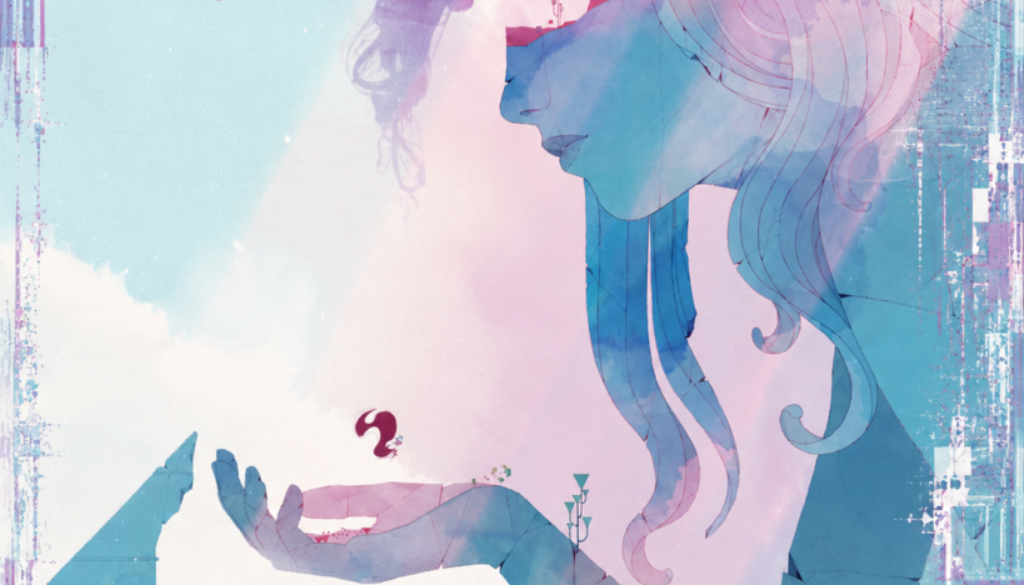
Gris is a game built around emotion before explanation. Developed by Nomada Studio, it follows a young woman moving through a world that seems to have collapsed alongside her inner life, using color, music, architecture, and motion to express what dialogue never names directly. Its platforming is gentle, but every step carries symbolic weight, as if the act of moving forward is already part of the recovery. The game does not begin by telling the player what has been lost. It begins with a broken voice, a falling body, and a pale space stripped of warmth, making grief feel immediate before it becomes clear. From that first silence, the journey becomes a slow return of color, where each restored shade changes the world and the character’s ability to exist inside it.

The game begins in a place where emotion has already done its damage. Before the player understands who has been lost, what has happened, or why the world has fallen into silence, the pain is already present in the shape of everything. A hand crumbles, a voice disappears, and the body of the central figure drops into a pale, empty space that feels more like a wound than a setting. The opening does not explain grief as an idea. It lets it arrive as weight, stillness, and absence. The player is not asked to solve sorrow, only to move through it, slowly discovering that this broken world is not separate from the character’s inner life.

Color is the main language of that emotional journey. At first, the world feels drained, as if feeling has been pulled out of it. Its pale spaces are beautiful, but they are also cold and incomplete, carrying the quiet shock that often follows loss. When red appears, it does not simply decorate the landscape. It gives pain a body. The screen fills with heat, dust, wind, and pressure, turning grief into something physical and difficult to resist. This return of color is not comforting yet. It is intense, almost overwhelming, suggesting that healing does not begin with peace. It often begins with the first painful sign that feeling has returned.

The broken statues across the world carry the sadness of memory without turning it into direct explanation. Their faces, hands, and collapsed bodies suggest something sacred has been damaged, but the game keeps their meaning open enough for the player to feel them personally. They can seem like monuments to loss, pieces of a self that can no longer stand, or traces of someone the character is trying to reach. Their scale makes the protagonist feel small, yet her movement through them gives the world a fragile sense of persistence. She cannot repair everything at once, but she can pass through the ruins, and that movement becomes its own quiet answer to collapse.

As more colors return, the game’s emotional world begins to widen. Green brings growth, blue brings depth, and yellow brings warmth and light, each one changing not only the appearance of the environment but also the way the player moves inside it. Color becomes linked to ability, which makes recovery feel active instead of symbolic. The character gains new ways to continue, not because sorrow has disappeared, but because she has learned another form of motion. Each shade gives the world a new emotional texture, as if parts of the self are slowly becoming reachable again. The process feels delicate because the game never treats healing as a clean replacement for pain.
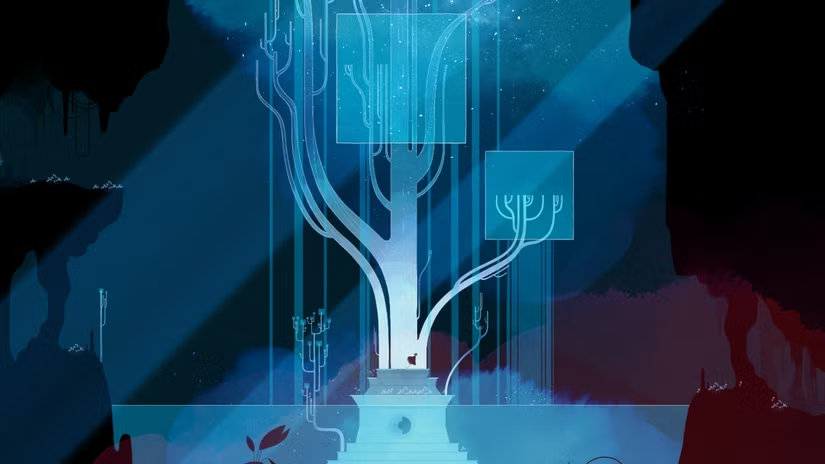
The most affecting part of this color system is that it respects how grief moves unevenly. The world does not become whole in a single bright gesture. It gathers itself piece by piece, often after moments of fear, struggle, or exhaustion. A new color may open a path, but it does not erase what came before. The earlier emptiness remains part of the memory of the journey, and the player carries that contrast forward. Because of this, color feels less like escape and more like return. It shows how beauty can reappear without denying the damage that made its absence so powerful in the first place.
The absence of dialogue deepens this emotional design. Without spoken explanation, every change in color, movement, music, and space becomes more important. The player learns to read feeling through visual rhythm rather than through direct confession. A crumbling structure, a sudden burst of red, a slow underwater descent, or a bright opening in the sky can say more than a line of text would. Silence makes grief feel private, but not distant. It leaves room for the player’s own memories to enter the experience. The game understands that some forms of pain are too large for simple language, so it lets shape and color speak instead.

Fragile movement also gives the journey its emotional honesty. The protagonist does not feel powerful in a traditional sense. She jumps, falls, drifts, sinks, and rises with a softness that keeps her close to vulnerability. Even when she gains new abilities, they feel like survival tools rather than heroic upgrades. Her dress becomes a vessel for change, turning into weight, wings, or movement depending on what the world asks of her. This makes the body feel connected to emotion. Healing is not presented as a thought that happens from a distance. It is something carried physically, through steps, breath, balance, and the repeated act of continuing.
By connecting color to recovery, the game turns visual beauty into emotional structure. Its watercolor style is not only decorative, since each shade arrives with a sense of consequence. Red can feel like anger or raw pain, green like life returning after stillness, blue like sadness becoming deep enough to enter, and yellow like warmth breaking through after a long quiet. These colors do not reduce grief to a simple sequence, but they help give it form. The player can feel progress without needing the game to explain it. The world becomes readable through sensation, and that makes its healing feel earned rather than forced.
The ending carries its power because the journey has treated recovery as a slow return to feeling, not a victory over sadness. The restored world is beautiful, but its beauty contains everything that came before it. The broken statues, pale spaces, violent winds, and lost voice are not erased from memory. They become part of the emotional ground that makes the final sense of release feel meaningful. The game leaves the impression that healing is not the opposite of grief, but a way of living after it has changed the shape of the world. Color returns not as an answer, but as proof that something inside the silence has begun to open again.